Hiking Mount Toubkal from Imlil | Two-Day Trek in the High Atlas Mountains
A detailed account of hiking Mount Toubkal from Imlil in Morocco’s High Atlas Mountains — distance, route details, safety tips, and what to expect on North Africa’s highest peak.
4 min read
Overview
Distance: 37.0 km
Average Duration: 2 days
Difficulty Level: Intermediate
Total Elevation Gain: Day 1 – 1,540 m | Day 2 – 1,130 m
Summit Height: 4,167 m
Start/Finish: Imlil – Imlil
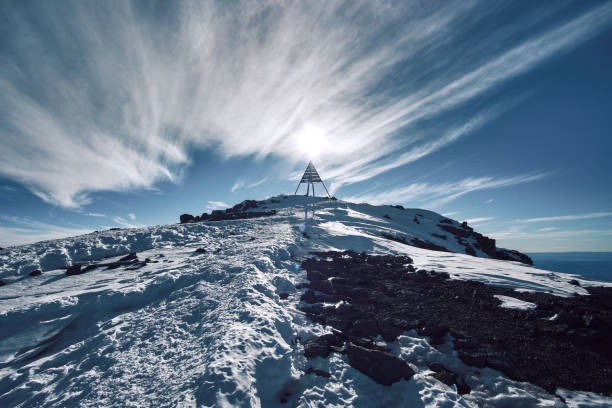
Hiking Mount Toubkal in Morocco is a challenging but rewarding trek to North Africa’s highest mountain, set in the dramatic High Atlas Mountains. The trail offers panoramic views, welcoming Berber villages, and a taste of true Moroccan adventure.
Planning Your Mount Toubkal Trek
Getting There
I took a taxi arranged through Tour Radar, but many travellers reach Imlil by coach. You can also take a bus from Marrakesh to El Kelaa des Sraghna, then a taxi to Imlil to save money.
Best Season
I visited in early spring, but most hikers recommend summer or early autumn for the best trail and weather conditions on Mount Toubkal.
Permits & Guides
No permits or national-park fees are required, but a licensed mountain guide is mandatory for all hikers.
Water & Food
I carried two litres of water, though you can buy more along the route. My food was included in the tour, but I brought extra high-calorie snacks for energy during the climb.
Accommodation in Imlil and on the Trail
Imlil offers plenty of places to stay, from small dorm-style lodges to comfortable hotels.
Once you leave Imlil, the Toubkal Refuge (Les Mouflons) is the only fixed accommodation unless you’re camping.
Most hikers join a guided Toubkal trek package with lodging and meals included.
The Hike
I booked my Mount Toubkal hike through TourRadar (Trek in Morocco) since I was travelling solo and preferred a guide. After a quick plan and a cheap flight from London Gatwick to Marrakech, I stayed one night in the city before being picked up around 9 a.m. The taxi ride to Imlil took roughly two hours, climbing steadily into the Atlas Mountains.
My first task was finding a replacement walking pole — Gatwick security had refused mine as carry-on luggage. I’d owned that pole for years, and although they told me I could collect it later, I never found the collection point.
When I arrived, the hotel owner and my guide, Mohammed, greeted me. There was a slight language barrier, but the plan was clear: a short acclimatisation hike before the main trek. We walked through the town as Mohammed told me about local history, then gradually climbed to a lookout for lunch. There I met another hiker from the UK planning to attempt Toubkal alone; he warned of a possible snowstorm. We returned to Imlil, and I noticed my new boots rubbing my ankles uncomfortably.
Day 1 – Imlil to Toubkal Refuge
We set out at first light, watching the Atlas Mountains come alive. The early section was steady but uneventful, and Mohammed kept things interesting by pointing out trees and local features. The trail to Toubkal Refuge is well-established but unsigned.
At a checkpoint, guards checked passports — standard procedure for all trekkers. One man I recognised from the day before was stopped for trying to hike without a guide, which is now prohibited after past accidents. I’d strongly recommend paying for a guide: the authorities prioritise safety and will turn you back otherwise.
The views grew more dramatic with every metre of ascent. We stopped at several mountain teahouses, enjoying mint tea and snacks. My heels were suffering, but plasters and tape helped.
As we gained altitude, snow began to fall. At first it was light, then heavier, covering the trail. Mohammed assured me the Toubkal Refuge was near, and soon its outline appeared through the snow. The refuge was warm and welcoming. Due to low tourism in May 2022, it was quiet, and I had a dorm to myself. After dinner, I went to bed early for a 2 a.m. start.
Day 2 – Summit Attempt
I woke early and discovered I’d forgotten a vital item — my buff. The forecast predicted –25 °C at the Toubkal summit. After mild panic, I improvised by using a spare pair of clean boxer shorts as a face covering. They worked perfectly, and no one seemed to notice.
Outside, climbers prepared their gear — crampons, ice axes, and layers. I joined two couples and three guides. The first stretch was steep and icy, and within minutes I was sweating despite the cold.
As we climbed through deep snow, a small avalanche covered our boots. We stopped while the guides checked conditions. Soon after, another slide reached knee-height. We waited again, and eventually moved on cautiously. It was eerie — dark except for the beams of our headlamps.
Then a third avalanche hit, nearly knocking me over. After discussion, the guides decided we must turn back: the mountain authorities had closed Mount Toubkal due to the snowstorm. No one summited that day.
Descent and Reflections
I was disappointed, of course. I wanted to return to Marrakech and recover by a pool, but Mohammed advised resting first. Eventually, with another couple, we persuaded the guides to lead us down. The descent was tricky — the once-rocky path was now coated in ice. Crampons helped only slightly, and we relied heavily on our walking poles.
Back in Imlil, a delicious Moroccan tagine lifted my spirits. In hindsight, the decision to turn back was absolutely right. Mount Toubkal isn’t going anywhere — I’ll return one day to complete the climb.
Final Thoughts on Hiking Mount Toubkal
Even without summiting, my Toubkal trek was unforgettable — the scenery, the camaraderie, and the adventure were worth every step. If you’re planning to hike Mount Toubkal from Imlil, come prepared for snow, altitude, and quick-changing weather. Bring reliable gear, a sense of humour, and perhaps a spare buff — or boxers, just in case.