Everest Base Camp Trek: A Complete 14-Day Guide to the Ultimate Himalayan Adventure
Embark on a 14-day, 100 km journey through Nepal’s Khumbu Valley to Everest Base Camp. Discover daily highlights, costs, altitude tips, and what to expect on this once-in-a-lifetime trek to the foot of Mount Everest.
7 min read
Overview
Distance: ~100 km
Duration: 14 days (can be completed in 12–15 days)
Difficulty: Intermediate
Total Elevation Gain: ~2,600 m
Start/Finish: Kathmandu – Kathmandu
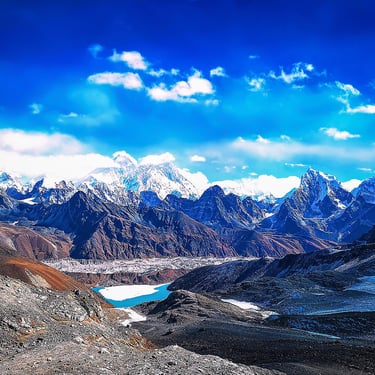
The Everest Base Camp trek is one of the most iconic treks in the world — a challenging yet deeply rewarding journey through the Khumbu Valley in Nepal. Over 14 days, trekkers pass through Sherpa villages, cross swinging suspension bridges, and experience breathtaking views of the Himalayas, all culminating at the base of the world’s highest peak, Mount Everest (8,848 m).
In this guide, you’ll find detailed day-by-day notes, travel tips, costs, FAQs (like How high is Everest Base Camp? and What’s the cost of the trek?), plus recommendations for the best trekking companies for Everest Base Camp.
Planning the Trek
Getting There
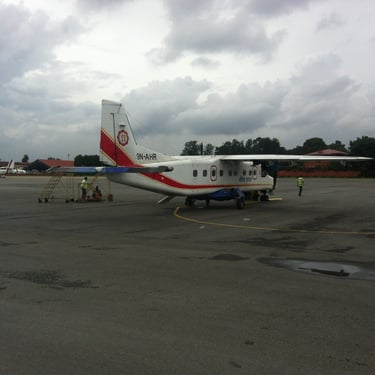
Our adventure began in Kathmandu, Nepal’s vibrant capital. From there, we flew to Lukla Airport, famously one of the most thrilling short flights in the world. Although there are alternative start points, Lukla remains the classic gateway to Everest Base Camp.
Tip: Always allow a couple of buffer days in your itinerary — weather in Lukla can delay flights.
Best Seasons
March to May – Spring brings mild weather and blooming rhododendrons.
Late September to November – Clear skies and crisp mountain air after monsoon season.
Avoid the summer monsoon (June–August) when trails can be slippery and flights unreliable.
Permits & Insurance
All trekkers require permits (such as the Sagarmatha National Park Entry and Khumbu Pasang Lhamu Rural Municipality Permit). Most guided tours include these costs.
Insurance with helicopter evacuation cover is mandatory due to the altitude and remoteness of the region.
Water & Hydration
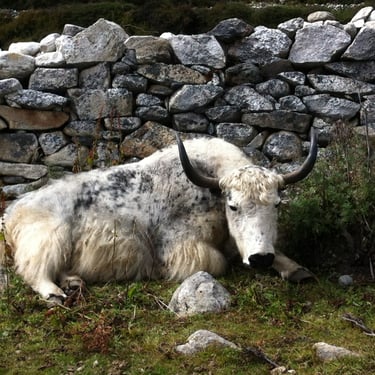
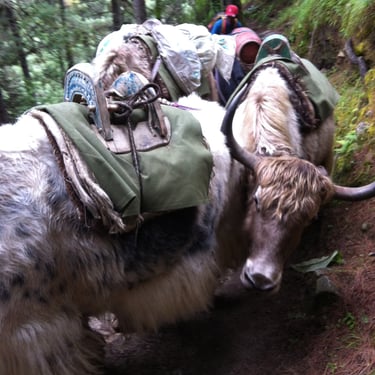
Bottled water is widely available, though the cost rises with altitude (yaks carry everything up!). I used water treatment tablets without any issues. Staying hydrated is crucial for altitude adaptation — aim for 4–5 litres per day.
Food
Meals are available throughout the trek at tea houses. Most tours include three meals daily. I supplemented with snacks like chocolate bars and nuts, which were easy to find en route.
Accommodation
Expect to stay in tea houses — simple mountain lodges run by local families. My girlfriend and I shared private rooms each night, included in our tour package. Some large expedition groups camp in tents, but tea houses are far more comfortable and authentic.
Introduction
My girlfriend had attempted Everest Base Camp years before, and her stories of the Himalayas had always stuck with me. When the opportunity arose to visit Nepal, I knew this was the adventure I wanted. We booked with Ace the Himalaya, a reputable company with excellent reviews. The package covered accommodation, meals, and guides — tipping was optional, except for the porters at the end.
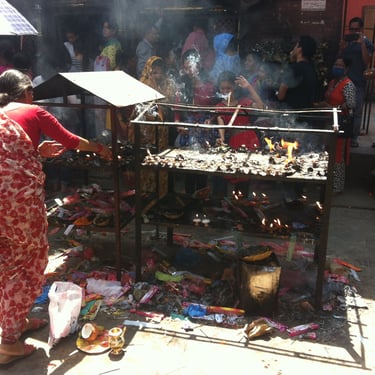
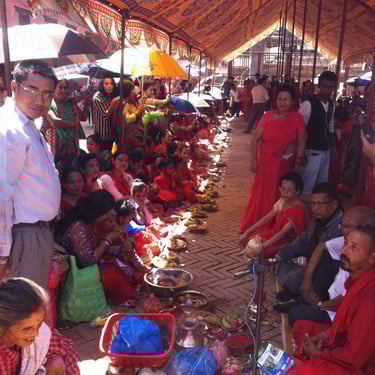
We spent a few days in Kathmandu before our hike, exploring temples, tasting momo dumplings, and buying gear. Kathmandu is a fantastic place to stock up on equipment — quality outdoor clothing is available at a fraction of Western prices.
At the pre-trek briefing, our guides offered the most important advice for avoiding altitude sickness:
“Climb slow, drink lots of water.”
Simple, yet absolutely right.
We rented down jackets and sleeping bags (highly recommended), packed our duffel bags, and prepared for one of the greatest adventures of our lives.
The Journey
Day 1 – Arrive in Kathmandu (1,300 m)
Our first challenge wasn’t on the trail but in the air — Lukla flights were grounded due to lingering monsoon weather. Some trekkers paid extra for a helicopter transfer, but we waited it out. For two and a half days, we lingered around the small domestic airport, playing Yahtzee and chatting with other stranded hikers. Eventually, the weather cleared, and we boarded a tiny 12-seater plane.
The flight to Lukla was exhilarating — mountains seemingly within arm’s reach. Landing on the steep, short runway felt like a small miracle. We’d arrived.
Day 2 – Lukla (2,800 m) → Phakding (2,600 m) | 7 km, 4–5 hrs
Stepping off the plane, the altitude hit immediately. Our porters met us and carried our bags as we set off through lush valleys and Sherpa villages. We reached Phakding by dusk, enjoyed our first dal bhat meal, and met the rest of the group — a friendly mix of Aussies, Americans, and a traveler from Jordan.
That night, the Himalayan air felt crisp and alive. The adventure had truly begun.
Day 3 – Phakding → Namche Bazaar (3,500 m) | 10 km, 7 hrs
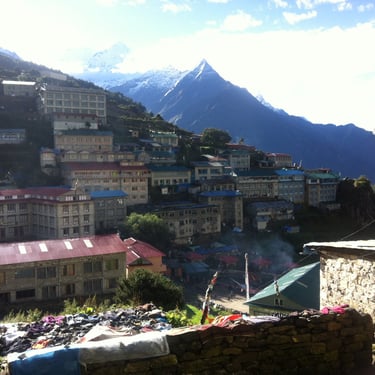
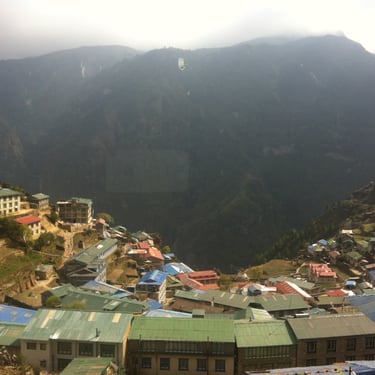
We crossed iconic suspension bridges, followed roaring rivers, and climbed steadily toward Namche. The final stretch was a tough uphill slog, but when the horseshoe-shaped town appeared clinging to the mountainside, I was in awe.
Namche Bazaar is the last major trading hub on the route, buzzing with shops, bakeries, and gear stores — your last chance to buy essentials before the higher altitudes.
Day 4 – Acclimatization Day in Namche (3,500 m)
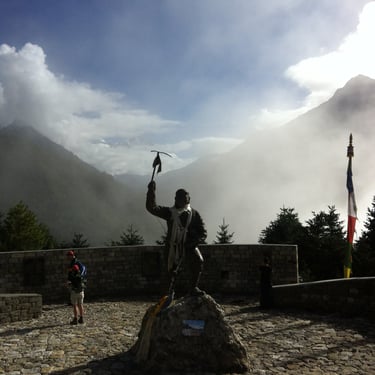
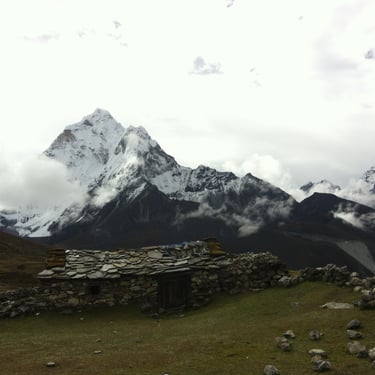
Acclimatization days are vital. We hiked up to the Tenzing Norgay Memorial and Sherpa Museum, gaining altitude before descending again to sleep. The panoramic view of Ama Dablam was unforgettable.
That evening, we watched the documentary Sherpa at a local bar — a moving reminder of the strength and spirit of the people who call these mountains home.
Day 5 – Namche → Tengboche (3,900 m) | 11 km, 5–6 hrs
A scenic day of rolling paths and forests before a steep descent, followed by a tougher climb to Tengboche Monastery. Inside, monks chanted in the dimly lit prayer hall — a deeply spiritual experience after a long hike.
Outside, the golden peaks of Everest, Lhotse, and Ama Dablam glowed in the sunset.
Day 6 – Tengboche → Dingboche (4,300 m) | 12 km, 6–7 hrs
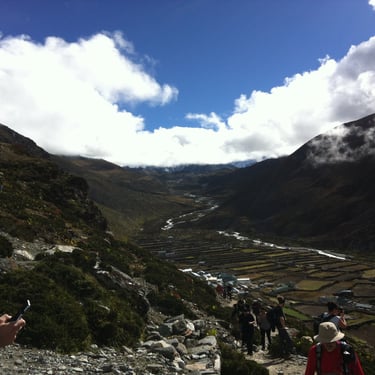
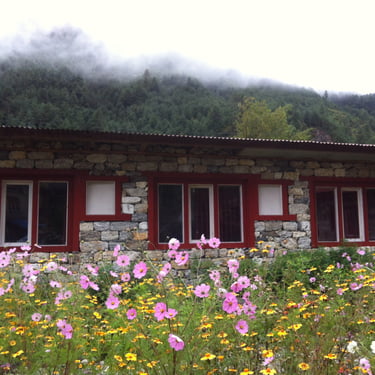
The landscape shifted from forests to open, windswept valleys. The air was thinner and colder. Dingboche felt remote yet welcoming, with stone walls protecting potato fields. Many in our group were starting to feel the altitude — headaches, fatigue, and poor sleep.
Day 7 – Acclimatization Day in Dingboche
We hiked steeply up to Nagarjuna Hill, pushing ourselves to around 5,000 m before descending. It was grueling but essential for acclimatization. Later, a hot shower (heated by a visible flame behind the wall!) felt like heaven.
That evening, we discovered a French bakery in Dingboche — because yes, even here, there’s cake at 4,300 m.
Day 8 – Dingboche → Lobuche (4,900 m) | 6 km, 4–5 hrs
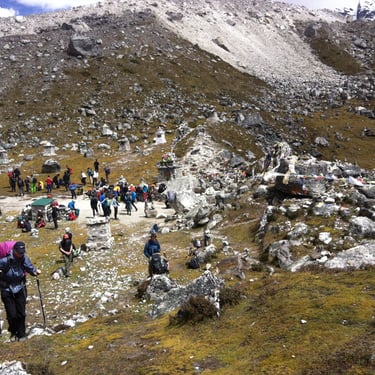
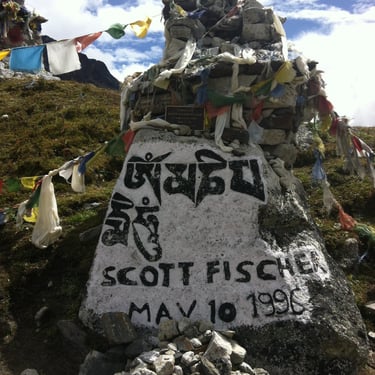
We trekked past memorials to climbers who lost their lives on Everest — a sobering and emotional experience. The climb up Thukla Pass was steep and rocky, testing everyone’s endurance.
At Lobuche, the cold bit harder, but the camaraderie of our group — playing cards, sharing stories — kept spirits warm.
Day 9 – Lobuche → Gorakshep (5,200 m) | 6 km, 3–4 hrs
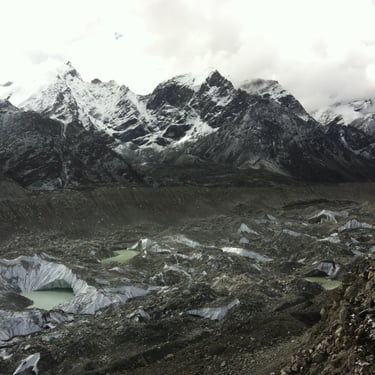
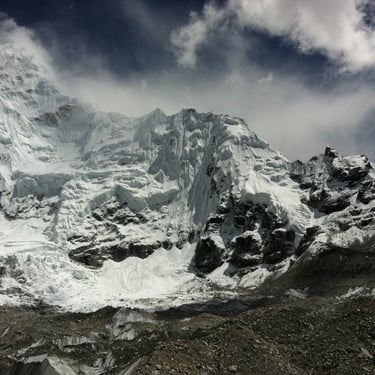
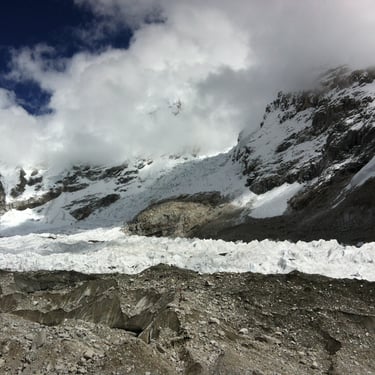
The trail followed the Khumbu Glacier, gray with dust and debris. Breathing was tough; even walking felt like effort. At 55% oxygen, every step counted.
That night, I stepped outside and looked up — the Milky Way stretched across the sky like I’d never seen before. Thousands of stars glimmered in perfect silence. It was, without doubt, the highlight of my entire trip.
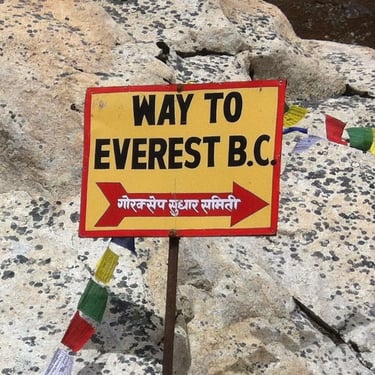
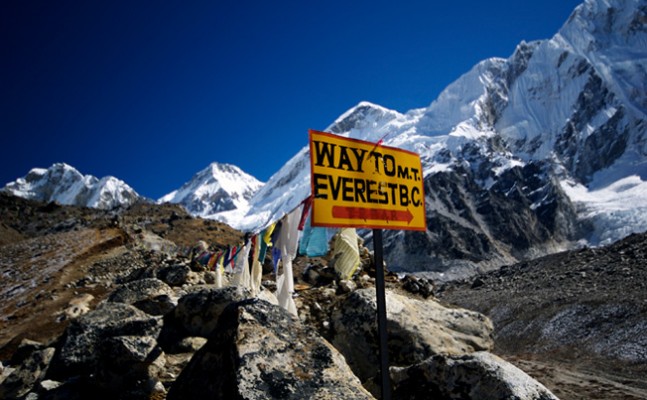
Day 10 – Gorakshep → Everest Base Camp (5,400 m) | 3 km each way
The big day.
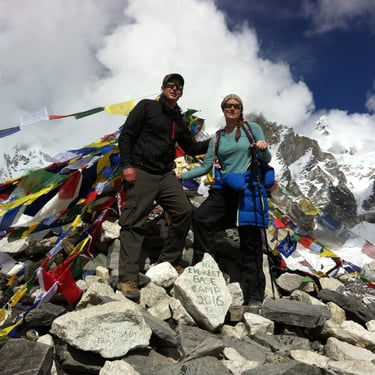
Head pounding, lungs burning — but nothing could stop the excitement. The terrain was rough, more a scramble than a trail. When I finally saw the yellow tents of Everest Base Camp, emotion hit hard.
My girlfriend, who’d been helicoptered out here on her last attempt, cried tears of joy. I filmed the moment as we stepped onto the legendary ground together.
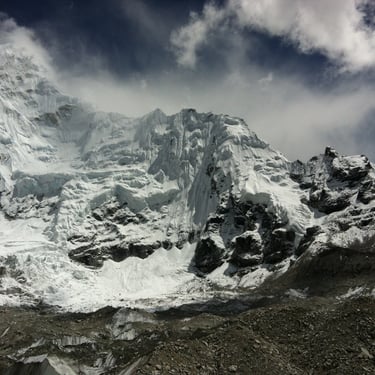
The Khumbu Icefall loomed ahead, avalanches rumbled in the distance, and prayer flags fluttered in the wind. We’d made it.
Returning to Gorakshep was exhausting, but the satisfaction of reaching EBC made every ache worth it.
Day 11 – Gorakshep → Pangboche (3,900 m) | 19 km, 7–8 hrs
Descending felt glorious. Within hours, my headache lifted. The scenery looked different on the way down — brighter, calmer. That evening, we enjoyed hot showers, good food, and laughter. The toughest part was behind us.
Day 12 – Pangboche → Namche Bazaar (3,500 m) | 14 km, 6–7 hrs
We re-entered greener valleys and warmer air. Spirits were high; even the rain couldn’t dampen the joy of nearing civilization. Back in Namche, phones buzzed back to life — 86 likes for my girlfriend’s summit photo!
That night, we celebrated with a beer — the first in nearly two weeks.
Day 13 – Namche → Lukla (2,800 m) | 16 km, 7–8 hrs
The final day felt emotional. We’d all grown close — strangers turned into friends. Back in Lukla, we shared our last dinner, thanked our guides and porters, and offered tips as a group. It wasn’t just a goodbye to the trek but to a chapter of life we’d never forget.
Day 14 – Fly Lukla → Kathmandu
The return flight was smooth this time. Back in the heat of Kathmandu, we devoured burgers — easily the best of my life after two weeks of dal bhat and porridge.
That evening, we met our guides for a farewell meal. We talked about the mountains, the culture, the people — and how this journey had changed us.
That girlfriend? She’s now my wife. We still talk about Everest Base Camp often. When I call it the trip of a lifetime, I mean it.
Preparing for Everest Base Camp: A Quick Guide
Costs
Guided tour (meals + accommodation): varies from $1,200–$1,800 USD
Tips: optional, around £30–£40 per person for guides and porters
Showers/snacks: £1–£3 each, increasing with altitude
Food & Drink
Stick to vegetarian meals — meat isn’t reliably refrigerated.
Typical meals: porridge, dal bhat, veg momos.
Carry snacks, but don’t overpack — food is available along the way.
Altitude & Acclimatization
Take all rest days seriously.
Drink 4–5 litres of water per day (water-tablet rotation method works great).
Walk slowly — speed is the enemy of acclimatization.
Culture & Etiquette
Greet locals with “Namaste” and show respect at monasteries.
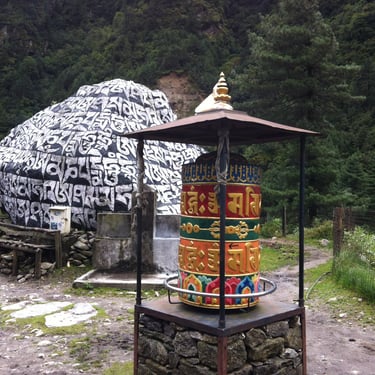
Always pass prayer wheels and stupas clockwise.
Porters carry up to 30 kg — never overload them.
Final Thoughts
Nepal is more than mountains — it’s a country of warmth, spirituality, and resilience. From the chaos of Kathmandu to the tranquility of Tengboche Monastery, every moment on the Everest Base Camp trek was unforgettable.
If you dream of standing beneath Mount Everest, breathing the thin air of the Himalayas, and seeing the stars blaze brighter than ever before — go. Prepare well, walk slowly, and let the journey humble you.
Visit Nepal. It will stay with you forever.