Climbing the Breithorn | A Guided 4000 m Summit from Cervinia
Join a guided climb of Breithorn (4,165 m) from Cervinia, Italy — complete hiking guide covering route details, gear, accommodation, and tips for your first 4000 m peak in the Alps.
4 min read
Overview
Distance: 5.7 km
Average Duration: 5–6 hrs
Difficulty Level: Intermediate
Total Elevation Gain: 685 m
Start/Finish: Cervinia – Cervinia
Meeting point: Cable car station FUNIVIA BREUIL-CERVINIA – PLAN MAISON
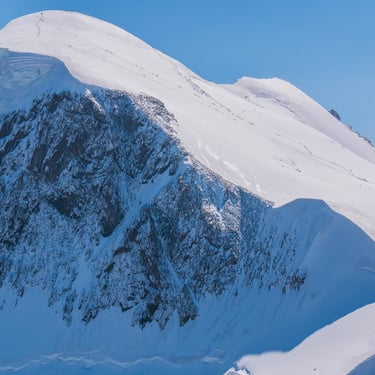
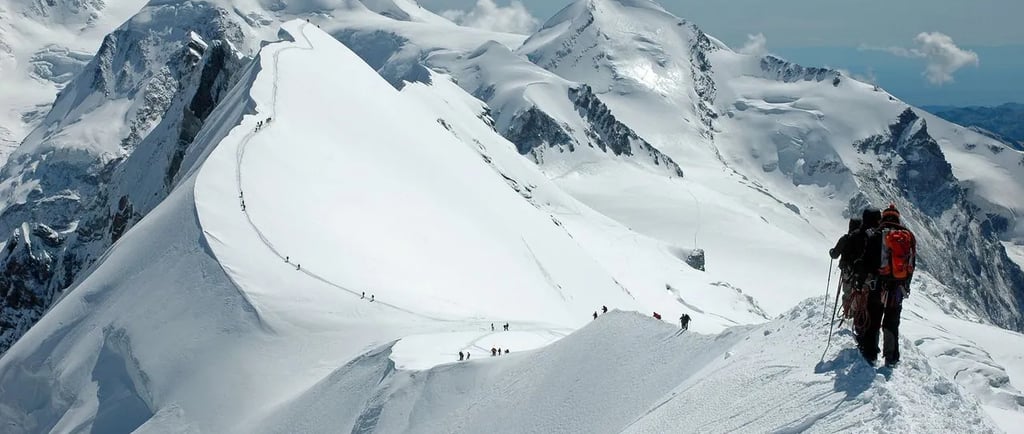
At 4,165 metres, Breithorn is a perfect goal for anyone aiming to achieve their first 4000 m peak. Located in the Monte Rosa Massif, this hike starts in Italy and crosses into Switzerland. The Breithorn summit sits within the Pennine Alps, straddling the Swiss–Italian border, and is considered one of the most attainable high-altitude climbs in the Alps.
Planning Your Breithorn Ascent
Getting There
I flew from London Gatwick to Milan, rented a car, and drove to Cervinia, where the hike begins.
Season
I completed this in June, though the best time to climb Breithorn is May to October, when the weather and snowpack are most stable.
Permits & Fees
There’s a fee for the Cervinia cable car, but no additional permits are required for the Breithorn hike.
Water
I carried 1 litre of water and drank an additional litre of electrolytes beforehand. There’s a small building at Plateau Rosa (the starting point) where you can refill or purchase drinks.
Food
I ate before departing but brought high-energy snacks for the climb. The same small building at the top offers coffee, snacks, and light meals.
Accommodation in Cervinia
I stayed at Hotel Europa in Cervinia, conveniently located less than ten minutes’ walk from the cable car station.
There are plenty of accommodation options nearby — from Airbnbs and hostels to mid-range and luxury hotels, all offering excellent access to the Breithorn trailhead.
The Hike | Guided Breithorn Ascent via Plateau Rosa
Before I even began, the trip had been eventful. Days earlier, a landslide hit the region, and our accommodation was moved. Then, a minor car accident left me with a sore hand and whiplash — not the ideal start to a 4,000 m mountain climb.
Still, with help from my guide Giovanni, booked through Explore-Share, I decided to go ahead. Giovanni, part of the local mountain rescue team, met me at the Cervinia cable car early in the morning and checked I could handle an ice axe and trekking poles despite my injuries.
After a brief delay with the lifts, we began the stunning cable-car ascent from Cervinia to Plateau Rosa — about 45 minutes, with increasingly breathtaking views of the Alps unfolding below. During the ride, Giovanni explained safety procedures, including crevasse hazards and rope use, reassuring me with his calm professionalism.
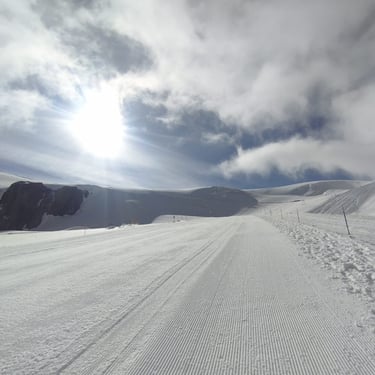
At Plateau Rosa, we stopped for coffee, adjusted crampons, and secured our harnesses before setting out across the snow. Even on a gentle gradient, walking in crampons felt harder than expected — my new boots hadn’t been properly broken in, and within 20 minutes, my feet were protesting.
Crossing the Glacier
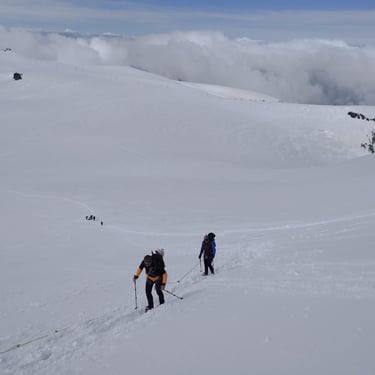
The first real challenge came at the crevasse section. Giovanni tightened the rope between us and explained the importance of keeping it short to reduce fall risk — a reminder that even “easy” 4000 m peaks demand respect.
Crossing the glacier was surreal — dazzling snow under a bright June sky, and a steady line of climbers ahead. It wasn’t technically difficult, but walking in sync with a guide took some getting used to.
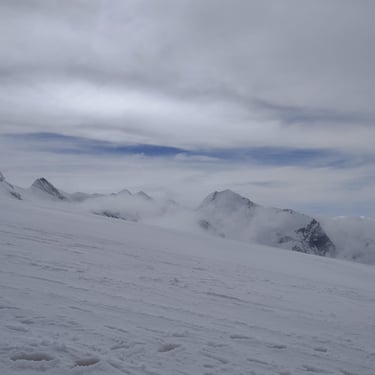
Beyond the crevasse, the Breithorn glacier opened up, and the views became incredible — vast alpine landscapes with the Matterhorn piercing the horizon.
The Final Ascent to Breithorn Summit
By now, altitude had begun to affect me. I was short of breath, moving slowly, and aware of each step. Giovanni reminded me to keep a steady pace — “slow and comfortable” was his mantra.
The final incline was steeper and far more tiring than expected. My fitness level was average at best, and I hadn’t trained specifically for this climb, so each metre felt hard-won. But reaching the Breithorn summit was worth every ache.
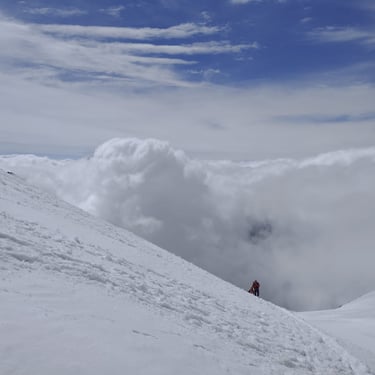
From the top, I could see the Matterhorn and surrounding Pennine Alps, even as clouds rolled in. Giovanni took some amazing photos and sent them later — the perfect memento of an unforgettable climb.
The Descent
We didn’t linger too long. As Giovanni explained, crevasse bridges weaken as the day warms, so it’s safest to descend early. I was slowing down because of painful blisters, but Giovanni kept the rope steady.
There was one moment when I stopped abruptly, frustrated by the pace and my sore feet — but after a few minutes’ rest, I regained my rhythm. Once back at Plateau Rosa, the cable-car descent into Cervinia was pure joy — a mixture of relief, pride, and exhaustion.
Though the route is relatively short on paper, it tested me physically and mentally. My feet suffered, but I’d summited a 4,000 m peak under tough conditions — something I’ll never forget. And yes, Compeed truly is a miracle!
Notes & Recommendations
Travel Insurance: Make sure to get mountaineering insurance, which usually falls under “snow sports” coverage. Mine was about £20 for the day.
Guides: Hiring a certified alpine guide (like through Explore-Share) is strongly recommended for safety.
Fitness: While not technical, the Breithorn climb requires reasonable fitness and basic crampon confidence.
Gear: Waterproof layers, worn-in boots, sunglasses, and sunscreen are essential — even in summer.